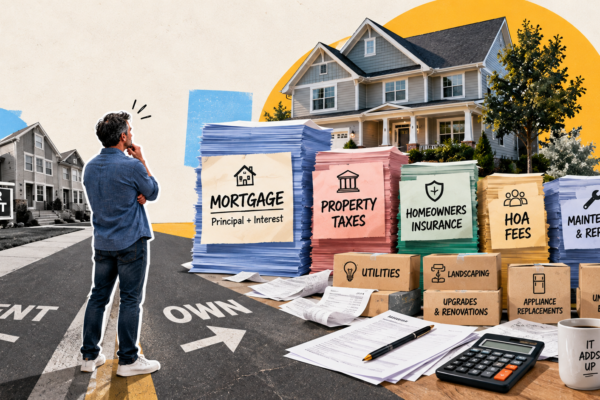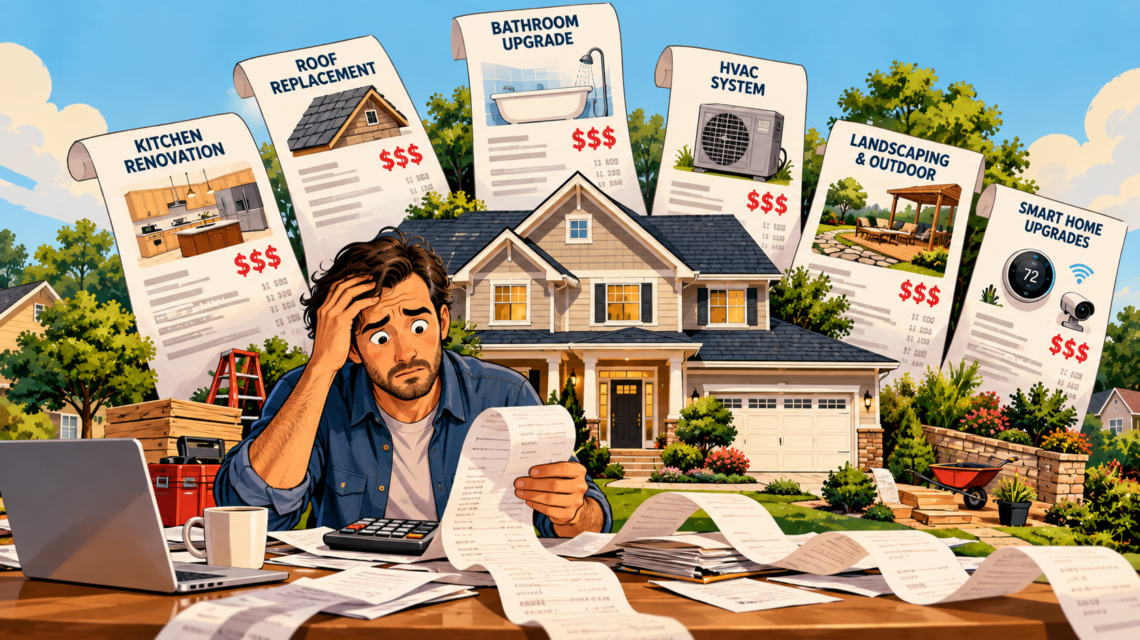
A home upgrade always sounds like a good idea—until the bills start arriving.
Maybe you want a modern kitchen, a better bathroom, energy-efficient windows, or a beautiful backyard where you can relax. You set a budget, browse inspiration online, and assume the project will be straightforward.
Then the contractor discovers hidden water damage. Your new kitchen requires electrical work. The HVAC installation needs new ductwork. Suddenly, the project costs thousands of dollars more than you planned.
The truth is that the price you see online is rarely the full cost of a home upgrade.
Here are nine popular home improvements that can cost more than homeowners expect, along with practical ways to keep expenses under control.
1. Kitchen Remodeling
A kitchen renovation can transform your home, but it can also become one of your most expensive projects.
Cabinets, countertops, flooring, appliances, plumbing, lighting, and labor all contribute to the final bill. Costs can increase further if you change the kitchen layout or discover outdated wiring and plumbing behind the walls.
Custom cabinetry and premium materials can quickly push a project beyond its original budget.
How to save: Keep the existing layout where possible, consider refinishing cabinets instead of replacing them, and get separate quotes for materials and labor.
2. Bathroom Renovation
A bathroom may be small, but renovating one can involve surprisingly complex work.
Replacing tiles, installing a walk-in shower, upgrading fixtures, and improving ventilation can add up. Hidden leaks, damaged subfloors, and inadequate waterproofing can create additional expenses once demolition begins.
Luxury finishes and custom glass enclosures can also increase costs.
How to save: Keep plumbing fixtures in their existing locations, select standard-sized products, and inspect for water damage before finalizing your budget.
3. Roof Replacement
A roof replacement is not always an expense homeowners can postpone.
The final cost depends on roof size, materials, pitch, accessibility, labor rates, and whether the underlying structure needs repairs. Removing old roofing materials, replacing damaged decking, and upgrading flashing can add unexpected charges.
Choosing premium shingles or specialized roofing materials may also increase the price.
How to save: Obtain multiple written estimates, ask whether removal and disposal are included, and confirm how contractors handle damaged decking discovered during installation.
4. HVAC Installation
A new heating and cooling system can improve comfort and efficiency, but the equipment price is only part of the equation.
Installation may require ductwork repairs, electrical upgrades, new thermostats, permits, or modifications to accommodate the equipment. An incorrectly sized system can also perform poorly despite its high price.
How to save: Request a proper load calculation, compare complete installation quotes, and ask whether ductwork, permits, labor, and removal of the old system are included.
5. Window Replacement
Replacing old windows can improve comfort, reduce drafts, and potentially lower energy consumption.
However, the cost depends on the number of windows, their dimensions, frame materials, glass specifications, and installation complexity.
Custom windows can be particularly expensive. Installers may also uncover rotting frames, water damage, or problems with exterior sealing.
How to save: Compare installed prices rather than product-only prices, prioritize the windows with the biggest problems, and check whether repairs or weatherstripping could solve some issues more economically.
6. Basement Finishing
An unfinished basement may look like an opportunity to create a home office, entertainment room, guest suite, or gym.
But before adding drywall and flooring, homeowners may need to address moisture, drainage, insulation, electrical systems, ceiling height, and fire-safety requirements.
Depending on the project and local building codes, egress windows, permits, and additional plumbing may also be necessary.
How to save: Resolve water intrusion first, verify permit requirements, and obtain professional assessments before committing to an elaborate basement design.
7. Deck or Patio Construction
Outdoor living spaces can make a home more enjoyable, especially during warmer months.
But building a deck or patio involves more than purchasing lumber or pavers. Site preparation, drainage, foundations, railings, stairs, permits, and labor can significantly affect the final cost.
Material choices matter, too. Some decking products cost more upfront but require less maintenance, while natural wood may need periodic sealing or staining.
How to save: Compare the long-term costs of different materials, check local permit requirements, and make sure drainage and structural support are included in the plans.
8. Landscaping and Outdoor Upgrades
A beautifully landscaped yard can improve curb appeal, but outdoor projects can quickly expand beyond the original design.
Retaining walls, grading, irrigation, drainage systems, mature trees, outdoor lighting, and hardscaping can all add substantial costs.
Poor drainage can be particularly expensive if water flows toward the house and creates foundation or basement problems.
How to save: Prioritize drainage and grading before decorative features, phase the landscaping over time, and choose plants suited to your local climate.
9. Smart Home Upgrades
Smart thermostats, security cameras, automated lighting, smart locks, and whole-home control systems promise convenience.
However, the total cost may include more than the devices themselves. Professional installation, wiring, compatible hubs, network upgrades, cloud subscriptions, and replacement batteries can add ongoing expenses.
Compatibility can also become an issue when devices use different ecosystems or become unsupported.
How to save: Start with a few useful devices, verify compatibility before purchasing, and check subscription requirements and long-term support.
Why Home Renovations Go Over Budget
Most renovation overruns happen because homeowners underestimate the full scope of a project.
Common causes include:
- Hidden problems: Water damage, outdated wiring, plumbing issues, and structural defects.
- Scope changes: Adding features or changing materials after work begins.
- Incomplete estimates: Quotes that exclude permits, demolition, disposal, or finishing work.
- Material and labor costs: Prices that change between planning and installation.
- Poor planning: Starting work without a clear design, schedule, or contingency reserve.
Before hiring a contractor, request a detailed written estimate and clarify what is excluded. Ask how unexpected conditions will be documented and approved before additional work begins.
How Much Extra Should You Budget for a Home Upgrade?
A practical starting point is to reserve an additional 10–20% of the project budget for unexpected expenses. Older homes, major structural renovations, and projects with uncertain conditions may require a larger reserve.
For example, if your planned renovation costs $20,000, a 15% contingency would add $3,000, bringing your working budget to $23,000.
This reserve is not a prediction that the project will overrun. It is a way to avoid relying on credit cards or emergency savings if an unexpected expense appears.
Final Thoughts
Home upgrades can improve comfort, functionality, and sometimes resale appeal. But the smartest renovation is not necessarily the most expensive one.
Understand the full installed cost, investigate hidden problems, compare contractor estimates, and distinguish essential repairs from optional improvements.
Most importantly, don’t start a renovation based only on what you can afford to spend. Start with what the entire project is likely to cost.
A little planning can help you enjoy the finished home without regretting the bill.
FAQs
1. Which home renovation is usually the most expensive?
Major kitchen remodels, additions, and extensive structural renovations can be particularly expensive. The actual cost depends on the home’s condition, project size, materials, and local labor rates.
2. How much should I budget for unexpected renovation costs?
A 10–20% contingency is a useful starting point for many projects. Older homes and renovations involving structural work or uncertain conditions may need more.
3. Which home upgrades add the most value?
Necessary repairs, functional improvements, and well-executed kitchen or bathroom updates may improve resale appeal. Returns vary by market, project cost, and buyer preferences.
4. Should I renovate before selling my house?
Not always. Address safety issues and visible defects first, then compare the likely cost of improvements with local buyer expectations and comparable property sales.
5. How can I avoid contractor cost overruns?
Get detailed written estimates, verify credentials and references, confirm permits, define the project scope, and require approval before extra work begins.