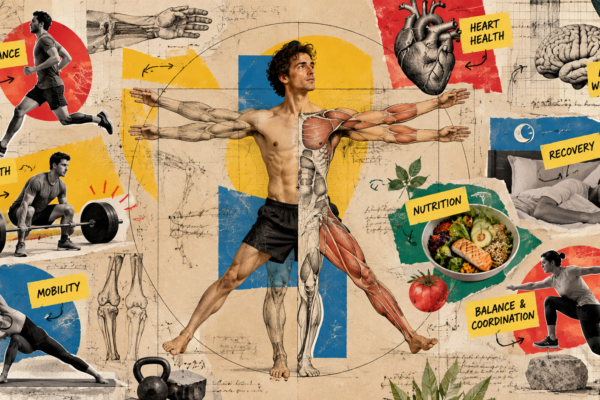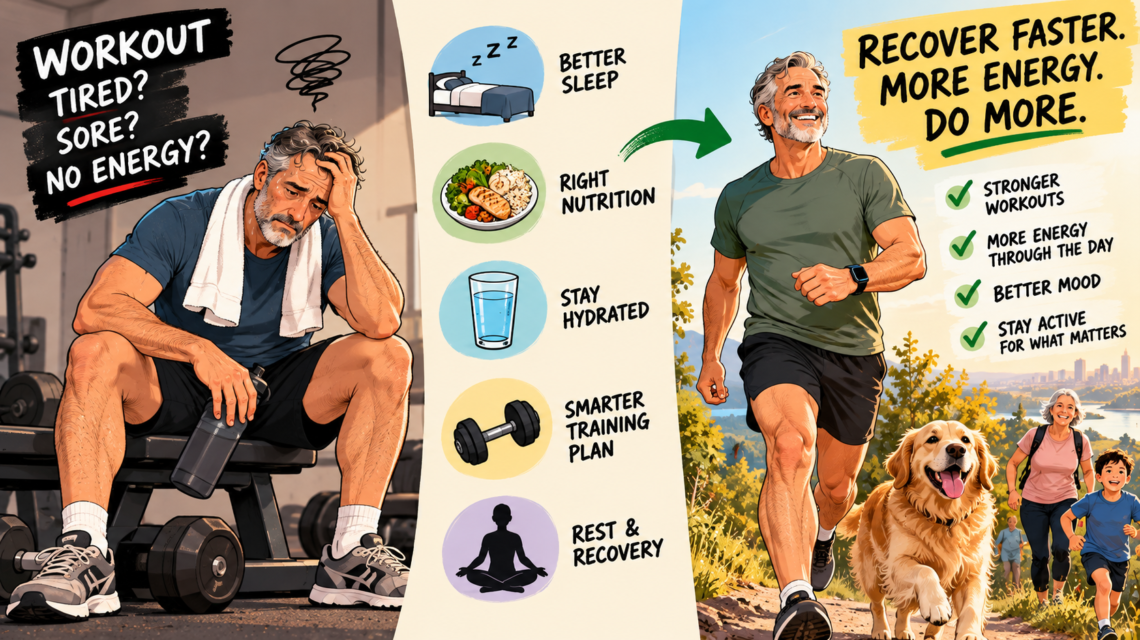
You finish a workout, put your weights away, and head home feeling accomplished. But a few hours later, the exhaustion sets in. Your muscles ache, your energy disappears, and even simple tasks feel harder than they should.
The next morning, you wake up feeling as though you barely recovered from the previous session. Your motivation starts to fade, your workouts become harder to complete, and you begin wondering whether feeling exhausted is simply part of getting fit.
It isn’t always.
Some muscle soreness and temporary tiredness are normal after challenging exercise. But persistent fatigue, declining performance, and difficulty recovering between sessions can indicate that something in your routine needs attention.
The solution may be as simple as getting more sleep, eating enough, or adjusting your workout intensity. In other cases, an underlying health issue may be contributing to the problem.
Instead of immediately reaching for another pre-workout supplement, ask yourself these eight questions. Your answers can help you understand what your body needs to recover more effectively.
1. Am I Sleeping Enough to Recover Properly?
Sleep is one of the most overlooked parts of fitness. People carefully plan their workouts, count their protein intake, and buy supplements, yet routinely sacrifice sleep to fit everything into their schedules.
Your body needs adequate sleep to support muscle repair, nervous system function, energy regulation, and adaptation to training.
Most adults should aim for at least seven hours of sleep per night, with many doing best around seven to nine hours. Your individual needs may vary depending on your activity level, health, and sleep quality.
If you regularly sleep for only five or six hours, adding another workout may not be the best way to improve your results.
Ask yourself:
- Am I consistently getting at least seven hours of sleep?
- Do I wake up feeling reasonably refreshed, or am I tired before the day begins?
- Do I rely heavily on caffeine to stay alert?
- Is my sleep schedule consistent, even on weekends?
- Do I snore loudly, wake up gasping, or feel sleepy despite spending enough time in bed?
These questions matter because spending eight hours in bed does not guarantee eight hours of restorative sleep. Persistent daytime sleepiness, loud snoring, or gasping during sleep can be signs of a sleep disorder, including sleep apnea.
What should I do?
Start by establishing a consistent sleep and wake time. Reduce caffeine later in the day, create a dark and comfortable sleeping environment, and avoid scheduling demanding workouts so late that they interfere with your bedtime.
If you consistently get enough sleep but remain unusually fatigued, consider discussing sleep quality and possible sleep disorders with a healthcare professional.
2. Am I Eating Enough to Support My Workouts?
One of the biggest mistakes people make when trying to lose weight is combining intense exercise with an excessively restrictive diet.
You might be lifting weights, doing cardio, walking thousands of steps, and eating substantially less than your body needs. The scale may initially move in the desired direction, but your energy, performance, and recovery can suffer.
Your body needs energy to perform exercise and adapt afterward. When food intake is consistently too low relative to your needs, you may experience persistent tiredness, excessive hunger, reduced performance, and difficulty recovering.
This can happen even when your protein intake looks impressive.
Ask yourself:
- Am I eating enough total calories for my activity level?
- Have I dramatically reduced my food intake to lose weight faster?
- Do I feel unusually hungry, cold, irritable, or tired throughout the day?
- Is my workout performance declining despite training consistently?
- Am I combining long fasting windows with demanding workouts and substantial cardio?
- Have I been losing weight rapidly while feeling progressively weaker?
These questions are especially important if you are following intermittent fasting or eating only one meal a day. Such approaches are not automatically unhealthy, but they can make it harder to meet your energy and nutrient needs.
What should I do?
Avoid assuming that a larger calorie deficit will always produce better results. A more moderate, sustainable deficit may support better training and be easier to maintain.
Include balanced meals with protein, carbohydrates, healthy fats, fruits, and vegetables. If you exercise after a long period without food and feel depleted, experiment with having a meal or snack before training, or eating a balanced meal afterward.
If you experience persistent fatigue, declining performance, recurrent injuries, or other signs of under-fueling, reassess your intake and seek advice from a registered dietitian or healthcare professional.
3. Am I Eating Enough Carbohydrates, or Am I Only Focusing on Protein?
Protein receives considerable attention in the fitness world, and for good reason: it supplies amino acids needed for muscle repair and growth.
But protein is not the only nutrient involved in recovery.
Carbohydrates provide fuel for exercise and help replenish muscle glycogen, the stored form of carbohydrate used during many types of training. If your workouts involve weight training, running, cycling, high-intensity intervals, or long sessions, carbohydrate intake can influence how energetic you feel.
A diet that contains plenty of protein but very little carbohydrate may work for some people, but others may notice reduced exercise capacity or greater fatigue.
Ask yourself:
- Am I eating carbohydrates regularly, or have I almost eliminated them?
- Do my meals contain foods such as oats, rice, potatoes, whole grains, fruit, or legumes?
- Do I feel weak or unusually tired during longer workouts?
- Am I training hard while eating very little overall?
- Do I have a balanced meal after particularly demanding sessions?
What should I do?
You do not need to consume sugar-loaded sports drinks or expensive recovery products after every workout.
For most people, ordinary foods are sufficient. A meal containing rice or potatoes, vegetables, and eggs, fish, tofu, chicken, or beans can provide carbohydrates, protein, and other nutrients.
A snack such as Greek yogurt with fruit, oatmeal with milk, or a peanut butter sandwich can also be useful when a full meal is not convenient.
The goal is to match your food intake to your training demands rather than treating carbohydrates as an enemy.
4. Am I Drinking Enough Water and Replacing Lost Fluids?
Dehydration can contribute to fatigue, headaches, dizziness, and reduced exercise performance. The risk increases when you exercise in hot weather, sweat heavily, or train for prolonged periods.
However, drinking excessive amounts of water is not the answer either. Hydration needs vary with body size, climate, exercise duration, sweat rate, and individual health circumstances.
Ask yourself:
- Do I begin my workout already feeling thirsty?
- Am I exercising in hot or humid conditions?
- Do I sweat heavily during training?
- Does my energy drop noticeably during longer sessions?
- Do I experience headaches or lightheadedness after exercise?
- Am I replacing fluids gradually throughout the day rather than drinking everything at once?
What should I do?
Drink water regularly throughout the day and have fluids available during exercise. After a sweaty session, replace the fluids you have lost.
For ordinary workouts lasting less than an hour, water is generally sufficient. Electrolyte drinks may be useful during prolonged exercise, heavy sweating, or activity in hot conditions.
Do not force excessive quantities of water, particularly during endurance exercise, because overhydration can dangerously lower blood sodium levels.
If you frequently feel dizzy or faint during workouts, do not assume dehydration is the cause. Stop exercising and seek appropriate medical advice, especially if symptoms recur.
5. Am I Training Too Hard Without Giving My Body Time to Recover?
More exercise is not always better.
Progressive training helps your body adapt, but the workload needs to be manageable. If you continually increase weights, add cardio, train to failure, and avoid rest days, fatigue may accumulate faster than you can recover.
This is particularly common among people who feel they must exercise intensely every day to lose weight.
Normal muscle soreness can occur after a demanding or unfamiliar workout. However, persistent fatigue, declining performance, irritability, disturbed sleep, and a lack of motivation may indicate that your current workload is too demanding.
Ask yourself:
- Am I training intensely almost every day?
- Do I take most of my weight-training sets to complete failure?
- Have I recently increased my workout volume or cardio substantially?
- Are my lifts becoming weaker instead of gradually improving?
- Am I still unusually sore when the next hard session begins?
- Do I feel exhausted even on days when I do not exercise?
What should I do?
Consider reducing your training volume temporarily, keeping more repetitions in reserve instead of pushing every set to failure, and alternating hard sessions with easier activity.
You could also schedule a lighter training week when fatigue has accumulated.
For example, instead of combining heavy lifting and intense cardio every day, try alternating resistance training with easier walks or lower-intensity cardio. Allow enough recovery between demanding sessions for the same muscle groups.
The appropriate schedule depends on your experience, training volume, sleep, nutrition, and goals.
Remember: a workout is a stimulus, not a competition to see how exhausted you can become.
6. Am I Ignoring a Health Problem Because I Assume Everything Is Caused by Exercise?
Not all workout fatigue comes from training.
Medical conditions, medications, inadequate nutrition, sleep disorders, and other factors can contribute to low energy. Iron deficiency or anemia, thyroid disorders, and blood glucose problems are among the possibilities a healthcare professional may consider, depending on your symptoms and medical history.
This is important because repeatedly pushing through unexplained fatigue can delay the identification of a treatable problem.
Ask yourself:
- Was I feeling unusually tired before I increased my exercise?
- Do I feel exhausted even after several rest days?
- Has my exercise capacity declined without an obvious explanation?
- Have I noticed changes in my weight, temperature tolerance, mood, or concentration?
- Do I have known medical conditions that could affect energy or recovery?
- Am I taking medications that might contribute to fatigue?
What should I do?
If fatigue is persistent, disproportionate to your exercise, or affecting your everyday life, arrange a medical evaluation. Your clinician can decide whether tests such as a complete blood count, iron studies, thyroid function, or blood glucose measurements are appropriate.
For example, an elevated TSH can be associated with hypothyroidism, which may cause fatigue, muscle aches, and weakness. If you have a known thyroid condition, do not assume that workout fatigue is simply the result of poor recovery. Review your symptoms, treatment, and relevant laboratory results with your clinician.
Seek urgent medical attention for chest pain, fainting, severe or unusual muscle weakness, or dark urine following strenuous exercise.
7. Am I Expecting Supplements to Fix Problems That Start With My Routine?
The supplement market promises faster recovery, better performance, more energy, and less soreness. Some products can be useful in specific circumstances, but supplements are not a substitute for adequate food, sleep, hydration, and sensible training.
Before buying another product, determine what problem you are trying to solve.
Ask yourself:
- Am I already getting enough sleep and eating enough food?
- Do I have a specific nutritional deficiency, or am I guessing?
- Am I using multiple stimulant-containing products to get through workouts?
- Do I know the dose and ingredients in my supplements?
- Am I expecting a recovery supplement to compensate for overtraining?
What should I do?
Prioritize the basics before spending money on supplements.
Protein powder can be convenient if you struggle to meet your protein needs through food. Creatine monohydrate can improve performance in certain types of repeated high-intensity exercise and resistance training, but it is not an instant fatigue cure. Caffeine may improve alertness and exercise performance, yet using it late in the day can interfere with sleep.
Avoid starting iron, high-dose vitamins, or other supplements to treat unexplained fatigue without appropriate advice. More is not always better, and some supplements can cause side effects or interact with medication.
8. Am I Measuring Recovery by How I Feel and Perform—or Only by Muscle Soreness?
Many people believe a workout has been effective only if they are sore the next day.
That is a misconception. Muscle soreness can follow unfamiliar or demanding exercise, but it is not a reliable measure of workout quality or long-term progress.
You can improve strength and endurance without experiencing significant soreness after every session. Conversely, being extremely sore does not prove that your workout was productive.
Ask yourself:
- Is my performance gradually improving over several weeks?
- Can I complete everyday activities without unusual exhaustion?
- Am I returning to my normal energy level between workouts?
- Is my soreness manageable, or does it interfere with normal movement?
- Am I consistently completing my planned workouts without feeling increasingly depleted?
- Do I feel better after adjusting my routine, or is the fatigue continuing?
What should I do?
Track a few useful measures instead of judging recovery by soreness alone.
Record your workouts, approximate sleep duration, perceived effort, and energy levels. Look for patterns across several days or weeks rather than overreacting to one difficult session.
If your performance is improving, your energy is reasonably stable, and soreness resolves, your recovery strategy may be working.
If performance keeps declining or fatigue continues to accumulate, reassess your training and nutrition. Persistent symptoms deserve medical evaluation.
A Practical 7-Day Plan to Improve Workout Recovery
You do not need to overhaul your entire lifestyle overnight. Start with a short period of more deliberate recovery.
| Day | What to focus on |
|---|---|
| Day 1 | Review your current workout volume, sleep, and eating pattern. |
| Day 2 | Prioritize a consistent bedtime and adequate sleep. |
| Day 3 | Include balanced meals with sufficient protein and carbohydrates. |
| Day 4 | Reduce workout intensity if you are carrying substantial fatigue. |
| Day 5 | Pay attention to hydration, especially around sweaty sessions. |
| Day 6 | Take a rest day or do comfortable, low-intensity activity if needed. |
| Day 7 | Review your energy, soreness, sleep, and workout performance. |
This is a flexible framework, not a promise that fatigue will disappear in a week. If you are under-fueled, chronically sleep-deprived, or dealing with a medical condition, meaningful improvement may take longer and require additional support.
The Bottom Line: Recovery Is Part of Training
If you are constantly exhausted after exercise, the answer is not automatically more caffeine, more supplements, or greater willpower.
Start by asking yourself whether you are sleeping enough, eating enough, consuming sufficient carbohydrates for your activity, staying hydrated, and allowing time between demanding sessions.
Then consider whether a medical issue could be contributing to your symptoms.
The goal is not to eliminate every trace of soreness or tiredness. It is to develop a routine that allows your body to adapt, your performance to improve, and your everyday energy to remain manageable.
The most effective workout plan is not the one that leaves you most exhausted. It is the one you can recover from and repeat consistently.
Frequently Asked Questions
1. How long should it take to recover from a workout?
Recovery varies with exercise intensity, training experience, nutrition, sleep, and the muscles involved. Temporary fatigue may resolve within hours, while muscle soreness can last a few days after unfamiliar or demanding exercise. Persistent or worsening symptoms should not automatically be considered normal.
2. What should I eat after a workout to recover faster?
A balanced meal containing protein and carbohydrates is a practical choice. Examples include eggs with whole-grain toast, Greek yogurt with fruit and oats, or chicken, tofu, or beans with rice and vegetables.
3. Is it normal to feel sleepy after a workout?
Mild tiredness can be normal, especially after a demanding session or a period of poor sleep. If exercise consistently leaves you excessively sleepy or unable to function normally, review your training load, food intake, sleep, and overall health.
4. Should I work out when my muscles are sore?
Light activity may be comfortable when soreness is mild. However, avoid pushing through severe pain or repeating demanding training when the affected muscles have not recovered adequately. Sharp pain, swelling, or substantial weakness warrants further assessment.
5. Does more protein help you recover faster?
Adequate protein supports muscle repair and adaptation, but extra protein does not necessarily produce better recovery if your overall intake is already sufficient. Total calories, carbohydrates, sleep, and training management also matter.
6. Can intermittent fasting cause workout fatigue?
It can contribute if your eating schedule makes it difficult to consume enough energy, carbohydrates, or other nutrients for your training. Some people tolerate fasting well, while others perform and recover better with food before or after exercise.
7. When should I see a doctor about workout fatigue?
Seek medical advice if fatigue persists despite rest and adequate food, interferes with daily activities, or is accompanied by unexplained weakness or other concerning symptoms. Chest pain, fainting, severe muscle pain, or dark urine after exercise requires urgent evaluation.
Sources and Further Reading
- CDC — About Sleep
- MedlinePlus — Fatigue
- National Institute of Diabetes and Digestive and Kidney Diseases — Hypothyroidism
- U.S. Department of Agriculture — MyPlate
This article is for general educational purposes and is not a substitute for individualized medical advice.