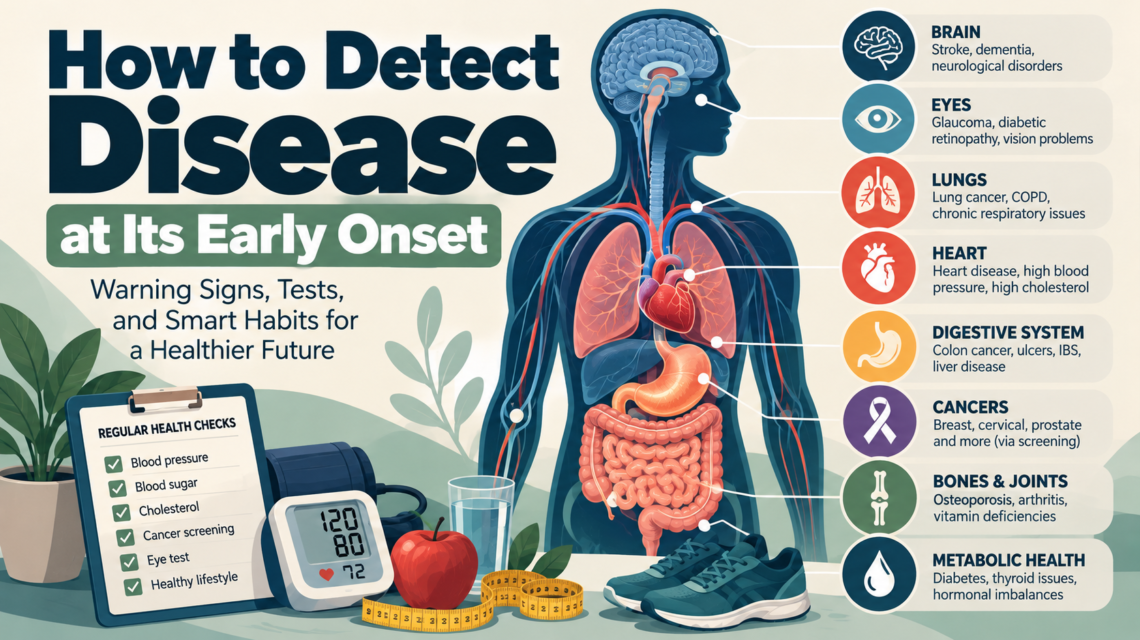
Many serious diseases don’t begin with dramatic symptoms.
High blood pressure can exist for years without obvious warning signs. Prediabetes may cause no symptoms at all. Some cancers can be detected through screening before a person feels sick. Even conditions that eventually cause noticeable symptoms can start with subtle changes that are easy to dismiss.
That is why early detection is less about constantly looking for disease and more about knowing your risk, paying attention to meaningful changes, and getting the right screening tests at the right time.
Early detection can give doctors more opportunities to treat a condition before it becomes more advanced. Cancer screening, for example, is specifically designed to find certain cancers before symptoms appear.
Here’s how to approach it.
What Does “Early Detection” Actually Mean?
Early detection generally happens in one of two ways.
1. Screening before symptoms appear
Screening means looking for a disease in people who don’t have symptoms.
Examples include:
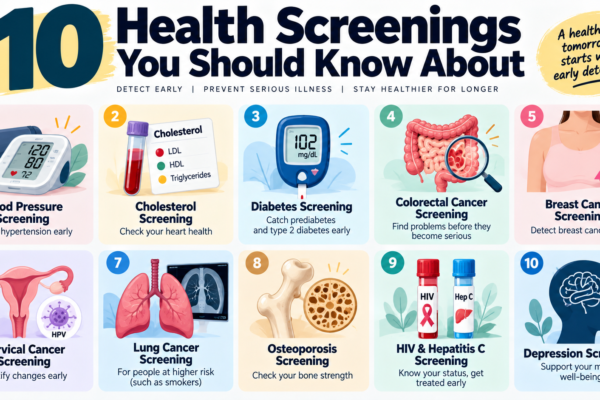
- Blood pressure checks
- Diabetes screening
- Cholesterol testing
- Certain cancer screenings
- Depression screening
- Some infectious disease screening
The purpose is to identify people who may have a condition or elevated risk before it causes obvious problems.
2. Investigating new symptoms early
The second approach is recognizing when something has changed and getting it evaluated.
Examples include:
- A new lump
- Unexplained weight loss
- Persistent fatigue
- Blood in the stool or urine
- A persistent cough
- A significant change in bowel habits
- Chest discomfort
- Unusual bleeding
- A sore that doesn’t heal
A symptom doesn’t automatically mean you have a serious disease. Many symptoms have harmless explanations.
The important point is not to ignore persistent or unexplained changes.
The National Cancer Institute, for example, recommends talking with a doctor about symptoms that don’t improve after a few weeks rather than waiting for pain to appear.
Why Early Detection Matters
Some diseases become more difficult to treat once they progress.
Early detection can potentially:
- Allow treatment to begin sooner
- Prevent complications
- Reduce the severity of disease
- Provide more treatment options
- Improve long-term outcomes
- Help people make lifestyle changes before a condition becomes serious
However, early detection doesn’t mean that every disease should be tested for as often as possible.
More testing isn’t always better.
Screening tests can produce false positives, unnecessary procedures, anxiety and overdiagnosis. That’s why reputable medical organizations recommend specific screening strategies based on age, sex, risk factors and evidence.
1. Know Your Personal Risk Factors
One of the most effective ways to detect disease early is understanding what makes you more likely to develop it.
Important risk factors can include:
- Age
- Family history
- Smoking
- Alcohol consumption
- Obesity
- High blood pressure
- High cholesterol
- Diabetes or prediabetes
- Physical inactivity
- Certain medications
- Occupational exposures
- Previous medical conditions
- Certain genetic conditions
For example, cardiovascular risk is influenced by factors including high blood pressure, abnormal cholesterol, diabetes, obesity, smoking and physical inactivity.
Your screening plan should therefore be based on your risk profile, not simply what your friend or neighbor is doing.
2. Check Your Blood Pressure
High blood pressure is one of the classic examples of a condition that can exist without obvious symptoms.
The U.S. Preventive Services Task Force recommends screening adults 18 and older for hypertension. When an elevated reading is found in a medical setting, measurements outside the clinic should be used to confirm the diagnosis before treatment is started.
Depending on your age and risk factors, your doctor may recommend periodic or more frequent monitoring.
A home blood pressure monitor can also be useful when your healthcare professional recommends home measurements.
Don’t diagnose yourself based on one unusual reading. Blood pressure naturally varies, and proper measurement technique matters.
3. Know Your Blood Sugar
Type 2 diabetes can develop gradually.
Some people have few or no obvious symptoms during the early stages.
That’s why screening can be valuable for people at increased risk.
The USPSTF recommends screening for prediabetes and type 2 diabetes in adults ages 35 to 70 who have overweight or obesity, with appropriate follow-up and preventive interventions when prediabetes is identified.
Common tests may include:
- A1C
- Fasting blood glucose
- Oral glucose tolerance testing
Your doctor can determine which test is appropriate for you.
4. Keep an Eye on Cholesterol
High cholesterol often doesn’t produce noticeable symptoms.
You can feel completely healthy while having cholesterol levels that increase your long-term cardiovascular risk.
A cholesterol test can provide information about:
- LDL cholesterol
- HDL cholesterol
- Triglycerides
- Total cholesterol
The results are usually interpreted alongside other factors such as age, blood pressure, smoking status, diabetes and family history.
The goal isn’t simply to chase one number. It’s to understand your overall cardiovascular risk.
5. Don’t Ignore Persistent Digestive Changes
Digestive symptoms are common and often have relatively simple explanations.
But a persistent change shouldn’t automatically be blamed on diet, stress or “bad digestion.”
Pay attention to symptoms such as:
- Blood in your stool
- Persistent diarrhea
- Persistent constipation
- A major change in bowel habits
- Unexplained weight loss
- Persistent abdominal pain
- Difficulty swallowing
- Repeated vomiting
- Persistent bloating accompanied by other concerning symptoms
These symptoms don’t necessarily indicate cancer or another serious disease.
But they deserve medical evaluation when they are persistent, severe or unexplained.
6. Pay Attention to Unexplained Weight Loss
Losing weight intentionally because you’ve changed your diet or exercise routine is different from losing weight without trying.
Unexplained weight loss can have many possible causes, including:
- Thyroid disorders
- Diabetes
- Gastrointestinal conditions
- Infections
- Medication effects
- Mental health conditions
- Cancer
- Other medical conditions
The key word is unexplained.
If your weight is dropping without a clear reason, discuss it with a healthcare professional rather than assuming it’s simply a sign that your metabolism has changed.
7. Don’t Wait for Pain
One of the biggest misconceptions about disease is that serious conditions should hurt.
That’s not necessarily true.
Some diseases can develop with few symptoms, while others produce symptoms that are easy to dismiss.
The National Cancer Institute specifically notes that cancer does not always cause pain, so people shouldn’t wait for pain before discussing concerning symptoms with a healthcare professional.
This is particularly important when a symptom is:
- New
- Persistent
- Getting worse
- Unexplained
- Associated with other changes
8. Know Which Cancer Screenings Apply to You
Cancer screening is one of the clearest examples of medical early detection.
But there isn’t one test that detects every cancer.
For example, the CDC supports screening for certain cancers, including:
- Breast cancer
- Cervical cancer
- Colorectal cancer
- Lung cancer
The recommended test and timing depend on factors such as age, sex, smoking history and personal risk.
For colorectal cancer, for example, the USPSTF recommends screening adults beginning at age 45 for people at average risk.
The important lesson is:
Don’t wait until you have symptoms to ask whether you are due for recommended screening.
9. Don’t Assume Every Blood Test Can Detect Cancer
The popularity of “early cancer detection” has created enormous interest in blood tests.
But there is an important distinction between a test being scientifically interesting and a test being recommended for routine screening.
The National Cancer Institute notes that commonly studied tumor markers generally have not worked well enough for cancer screening because they may miss cancers or produce abnormal results in people who don’t have cancer.
That means you shouldn’t assume that ordering a large panel of tumor markers is an effective way to check whether you have cancer.
Talk with a healthcare professional about evidence-based screening instead.
10. Pay Attention to Changes in Your Skin
You don’t need to panic over every mole or skin blemish.
But a new or changing skin lesion deserves attention, particularly if it:
- Changes in size
- Changes in color
- Changes in shape
- Bleeds
- Doesn’t heal
- Becomes persistently painful or itchy
- Looks significantly different from your other moles
If something looks unusual or keeps changing, have it evaluated rather than trying to diagnose it from photographs or online searches.
11. Take Mental Health Symptoms Seriously
Early detection isn’t only about physical disease.
Mental health conditions can also benefit from early recognition and treatment.
Changes worth discussing with a healthcare professional can include:
- Persistent sadness
- Loss of interest in activities
- Significant anxiety
- Major changes in sleep
- Significant changes in appetite
- Difficulty concentrating
- Feelings of hopelessness
- Problems functioning at work or home
The USPSTF recommends screening adults for major depressive disorder, including older adults and pregnant or postpartum people.
If you are experiencing thoughts of suicide or immediate danger, seek emergency help rather than waiting for a routine appointment.
12. Know Your Family Medical History
Your family history can change your screening needs.
Tell your doctor if close relatives have had conditions such as:
- Breast cancer
- Colorectal cancer
- Ovarian cancer
- Prostate cancer
- Heart disease at an unusually young age
- Diabetes
- Certain inherited disorders
Try to find out:
- What condition they had
- How old they were when diagnosed
- Whether multiple relatives were affected
- Whether the condition occurred on your mother’s or father’s side
A strong family history doesn’t mean you will develop the same disease.
It simply gives your doctor additional information when assessing your risk.
13. Don’t Ignore Changes in Your Energy Levels
Everyone gets tired.
A few nights of poor sleep aren’t necessarily concerning.
But persistent or unusual fatigue can sometimes be a sign that something deserves investigation.
Possible causes include:
- Poor sleep
- Anemia
- Thyroid problems
- Diabetes
- Nutritional deficiencies
- Medication effects
- Depression or anxiety
- Chronic infections
- Other medical conditions
If fatigue persists despite adequate sleep and normal routines, consider discussing it with your doctor.
14. Track Trends Instead of Obsessing Over Individual Numbers
Health data becomes more useful when you look at trends.
For example:
Instead of asking:
“Is my blood pressure okay today?”
also ask:
“What has my blood pressure been doing over the past few months?”
The same principle can apply to:
- Weight
- Blood pressure
- Blood glucose
- Cholesterol
- Resting heart rate
- Fitness
- Symptoms
One abnormal measurement doesn’t always indicate disease.
Likewise, one normal measurement doesn’t guarantee that everything is healthy.
Your healthcare professional can help interpret the pattern.
15. Have a Regular Preventive-Care Conversation
You don’t necessarily need dozens of tests every year.
What you need is an appropriate preventive-care plan.
At a routine appointment, consider asking:
“Based on my age, family history and risk factors, what screenings should I be getting?”
You can also ask:
- Am I due for any cancer screenings?
- Should I be screened for diabetes?
- How often should I check my blood pressure?
- Should I have my cholesterol tested?
- Are there vaccines I should receive?
- Does my family history change my screening schedule?
- Are any of my medications affecting my health?
- Are there symptoms I should monitor?
This conversation can be far more useful than ordering a random collection of tests.
What Not to Do
Early detection doesn’t mean turning yourself into a full-time medical detective.
Avoid:
Ordering every possible test
More tests create more opportunities for false alarms and unnecessary follow-up.
Diagnosing yourself from Google
Search engines can help you understand medical information, but they cannot examine you, review your complete history or interpret your symptoms in context.
Assuming normal results mean you’re invincible
Screening tests reduce risk but don’t eliminate it.
Ignoring persistent symptoms because you’re young
Age can reduce the probability of certain diseases, but it doesn’t make serious illness impossible.
Waiting until symptoms become severe
If something is persistently wrong, earlier evaluation is usually more useful than waiting for it to become dramatic.
A Simple Early-Detection Checklist
You can use this as a starting point:
Every day
- Notice significant changes in how you feel
- Pay attention to persistent or unusual symptoms
- Avoid ignoring symptoms simply because they’re inconvenient
Regularly
- Check blood pressure when appropriate
- Keep track of important health measurements
- Maintain routine medical appointments
- Review medications with your healthcare professional
At preventive visits
- Review family history
- Check whether you’re due for screenings
- Discuss cardiovascular and diabetes risk
- Discuss mental health
- Review lifestyle factors
When something changes
- Don’t automatically assume the cause
- Note when the symptom started
- Track whether it is getting better or worse
- Contact a healthcare professional if it persists or is concerning
When Should You Seek Urgent Medical Care?
Some symptoms shouldn’t wait for a routine appointment.
Seek urgent medical attention for symptoms such as:
- Severe chest pain or pressure
- Sudden difficulty breathing
- Signs of a stroke, such as sudden facial drooping, arm weakness or difficulty speaking
- Severe or rapidly worsening abdominal pain
- Significant bleeding
- Loss of consciousness
- Severe allergic reactions
- Sudden confusion
- Other symptoms that appear severe or life-threatening
When in doubt about a potentially serious emergency, seek immediate medical help.
The Bottom Line
You don’t need to constantly test yourself for every possible disease.
The most effective approach to early detection is much simpler:
Know your risk. Get appropriate preventive screenings. Pay attention to persistent changes. And don’t wait for symptoms to become severe before seeking medical advice.
Some diseases, including hypertension and early-stage diabetes, may have few or no obvious symptoms, which makes appropriate screening particularly important. Certain cancers can also be detected through screening before symptoms develop.
At the same time, avoid the temptation to order every test available. Good preventive healthcare is about the right test, for the right person, at the right time.
Early detection isn’t about living in fear of disease.
It’s about giving yourself the best opportunity to identify important problems while they are still manageable.